Top Design Decisions That Protect Resale Value in WaterSound Camp Creek
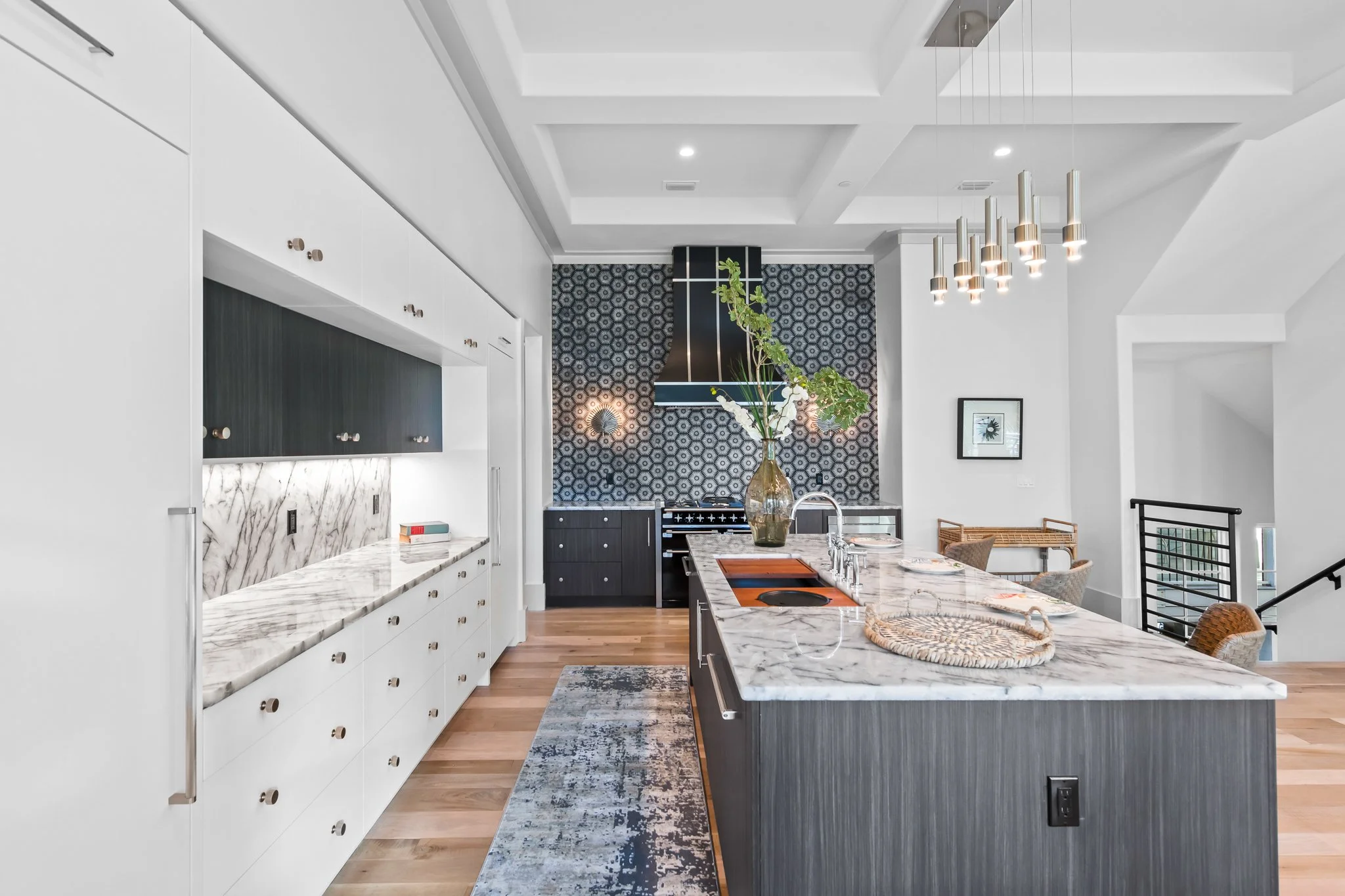
Building a custom home in WaterSound Camp Creek is an opportunity to create a residence tailored to your lifestyle. While many homeowners plan to stay long term, thoughtful design decisions can also protect resale value if the home is sold in the future.
In luxury coastal communities along Scenic Highway 30A, certain design choices consistently appeal to buyers and tend to hold their value over time.
Understanding these elements early in the design process can help homeowners balance personal preferences with long-term market appeal.
If you're considering building in this community, you can also read our complete guide to building in Camp Creek here.
Prioritize Timeless Coastal Architecture
Homes with timeless architecture tend to maintain stronger resale value than those built around short-term design trends.
In WaterSound Camp Creek, buyers are often drawn to styles that complement the natural coastal environment.
Popular architectural styles include:
modern coastal
classic Florida coastal
transitional coastal architecture
Features that typically age well include:
simple rooflines
natural materials
balanced window placement
light, neutral exterior palettes
Timeless design helps homes remain attractive to future buyers even as trends evolve.
Design for Indoor–Outdoor Living
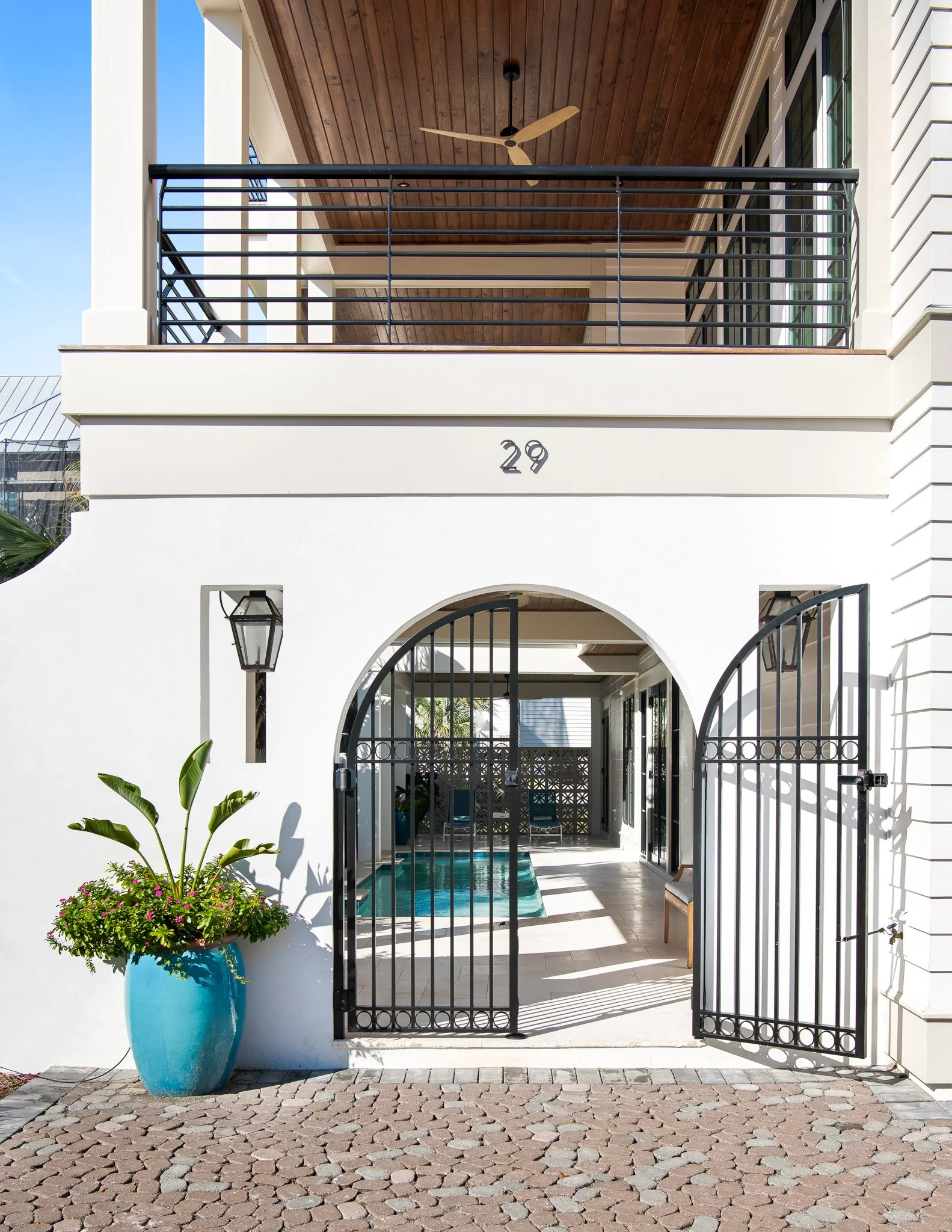
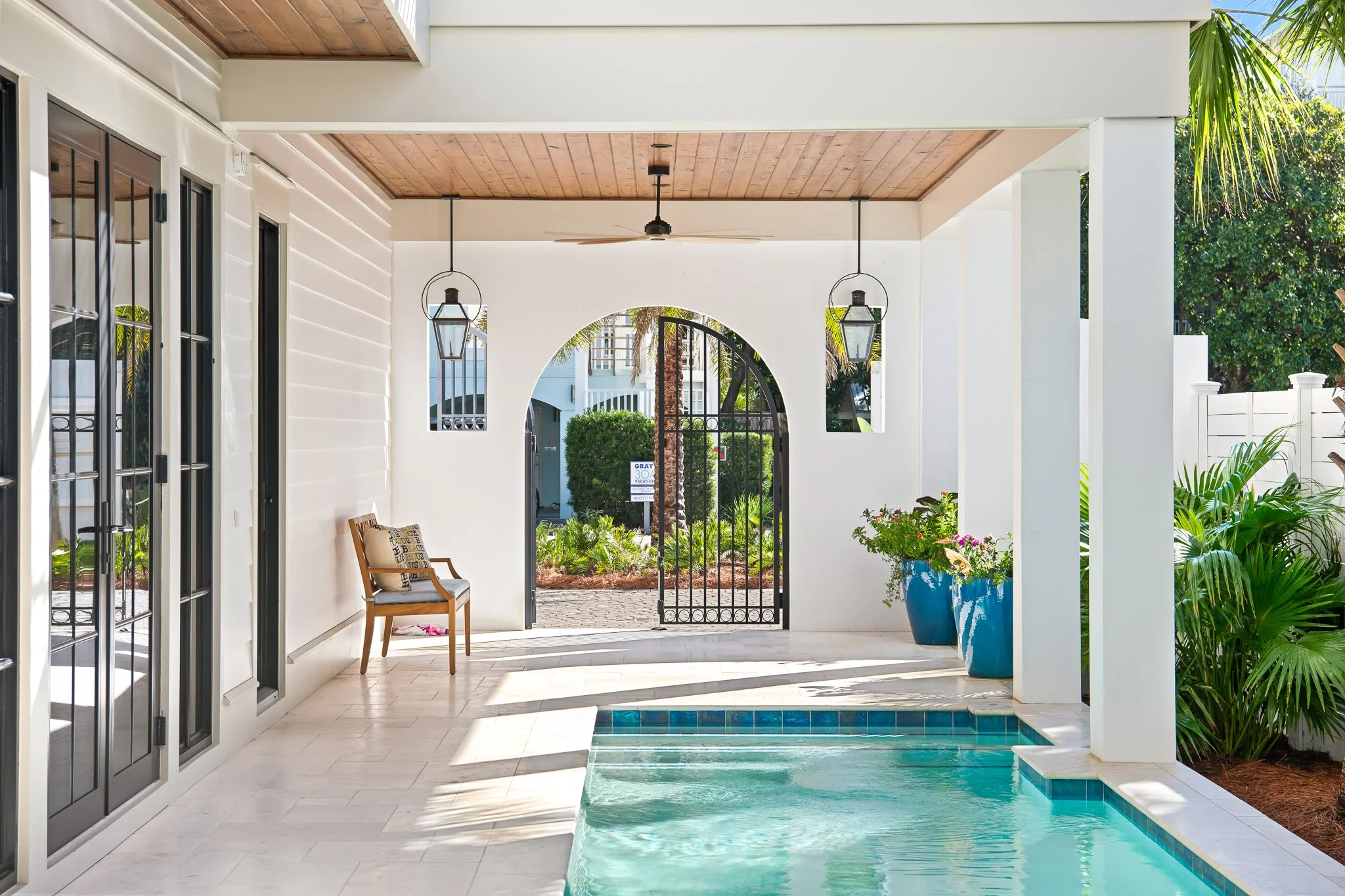
Outdoor living spaces are one of the most important features buyers look for along 30A.
Homes designed to seamlessly connect indoor and outdoor spaces often command stronger resale demand.
Popular outdoor features include:
covered terraces
outdoor kitchens
resort-style pools
fire pits and lounge areas
retractable glass wall systems
Designing these spaces early ensures the layout feels intentional rather than added on later.
Include Flexible Living Spaces
Luxury buyers increasingly prioritize homes that can adapt to different lifestyles.
Flexible spaces make homes appealing to a wider range of future buyers.
Examples include:
guest suites with private entrances
offices or study spaces
media rooms
bunk rooms for visiting family
secondary living areas
Homes that offer multiple gathering and private spaces tend to perform well when resold.
Invest in Durable Coastal Materials
Coastal environments present unique challenges due to salt air, humidity, and sun exposure.
Homes built with durable materials often require less maintenance and remain attractive longer.
Common choices include:
impact-rated windows and doors
composite or metal roofing systems
engineered hardwood flooring
natural stone surfaces
weather-resistant exterior finishes
These materials not only improve longevity but can also increase buyer confidence during resale.
Maximize Natural Light
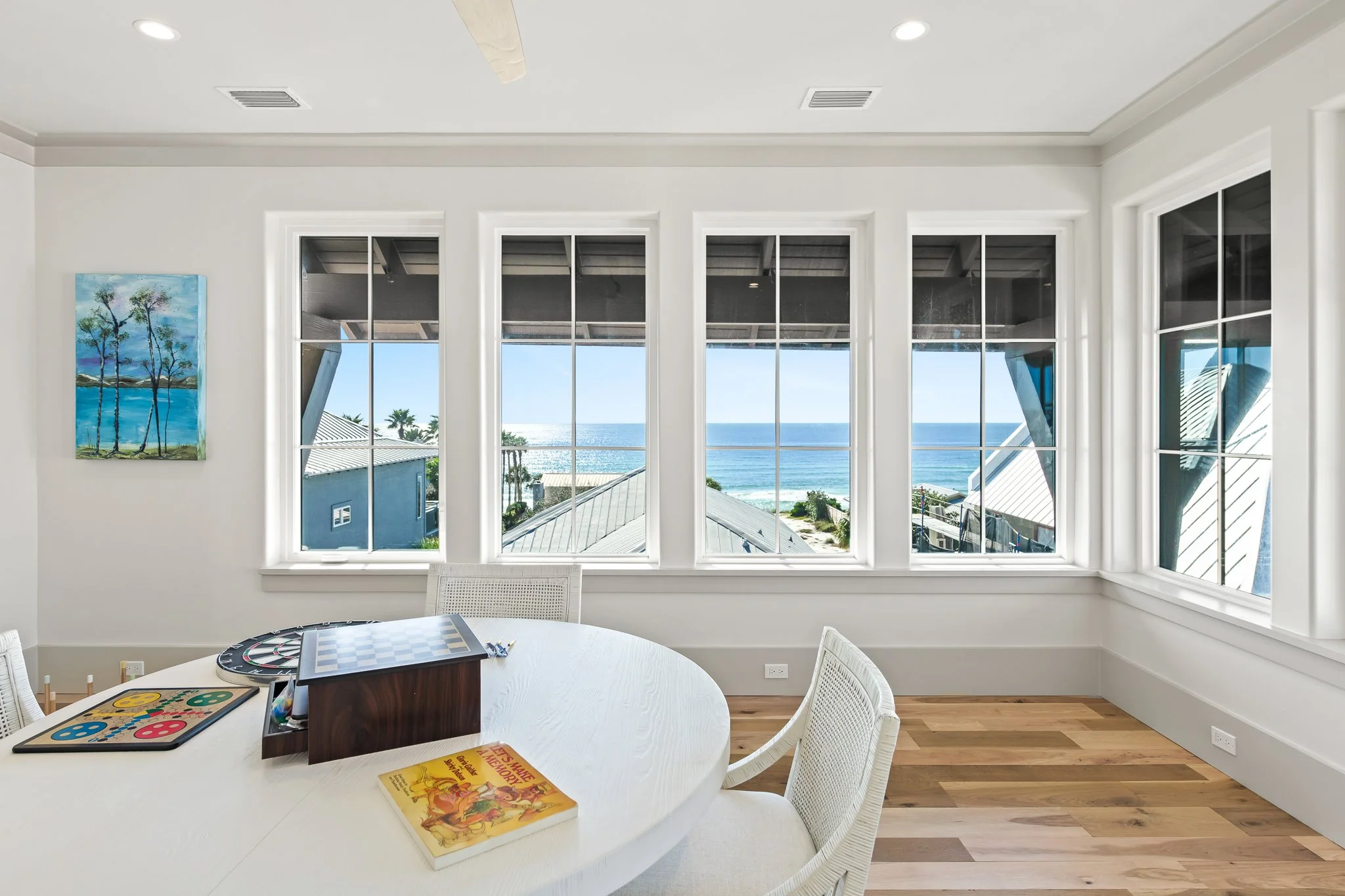
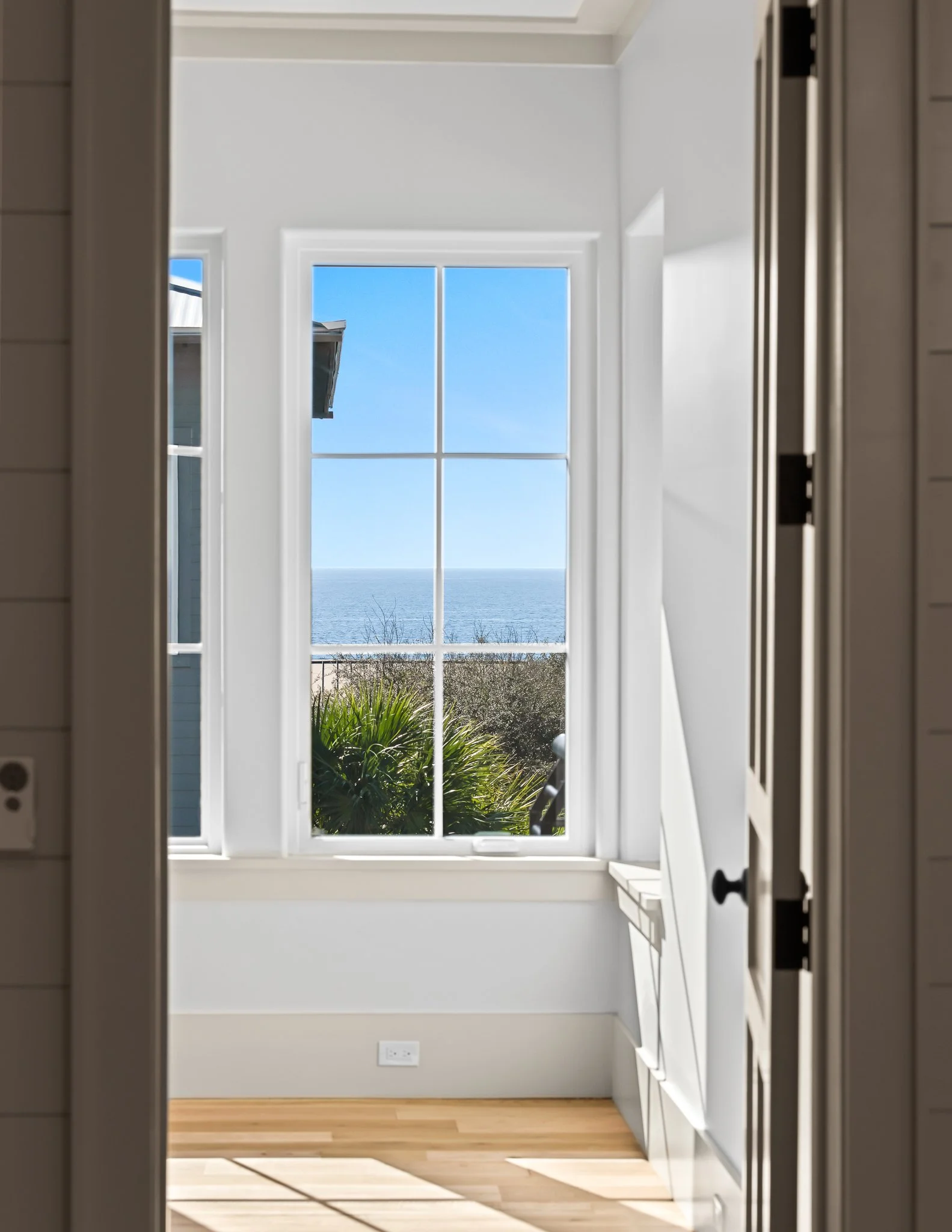
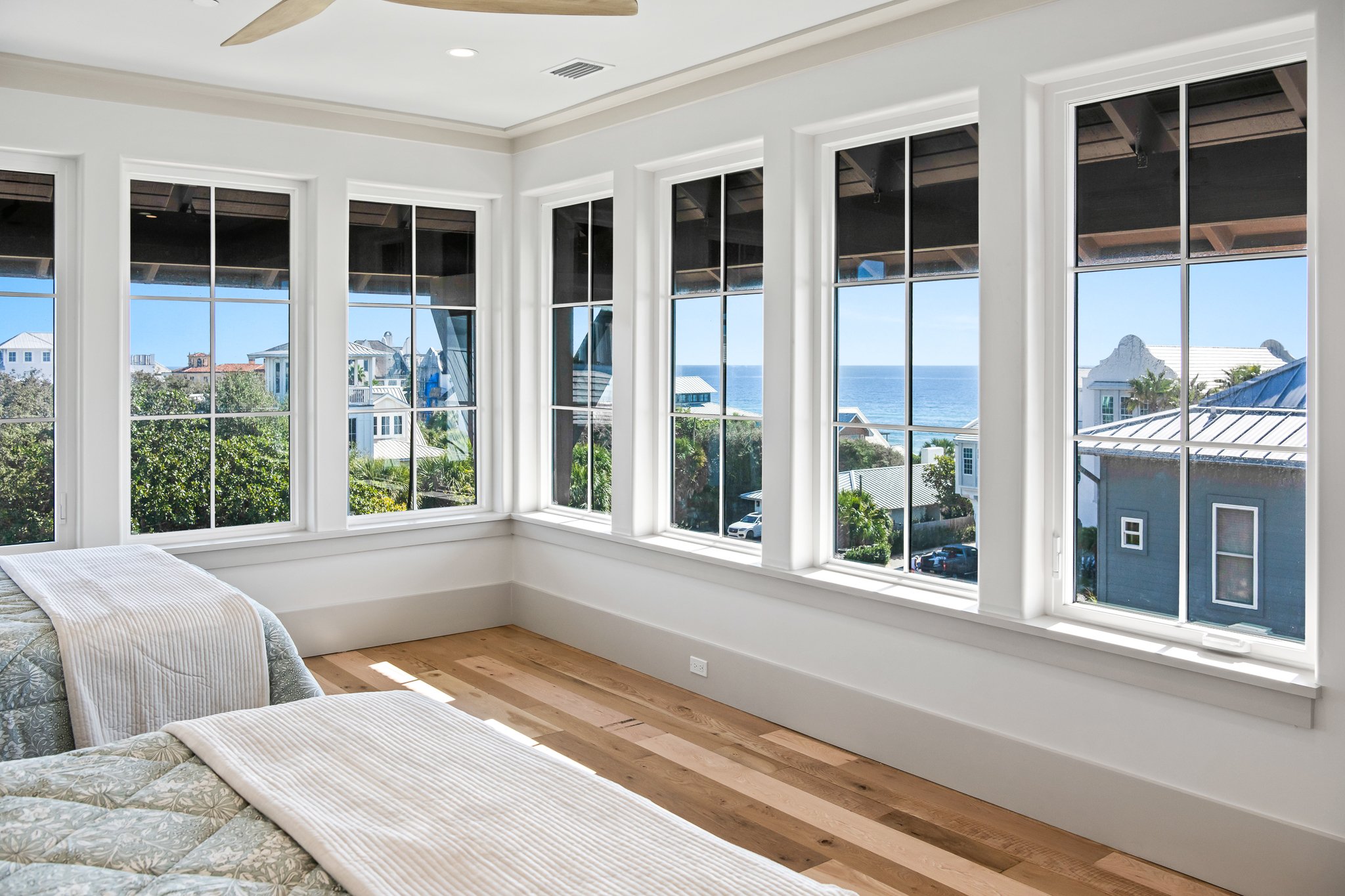
Homes that feel bright and open tend to appeal to a broad range of buyers.
Architectural strategies that enhance natural light include:
large window walls
open floor plans
high ceilings
glass doors connecting outdoor spaces
Natural light also highlights architectural details and makes living spaces feel larger and more inviting.
Plan Practical Storage Spaces
Functional storage is often overlooked during the design process but can have a meaningful impact on resale appeal.
Buyers frequently value homes that include:
large walk-in pantries
well-designed laundry rooms
built-in storage areas
mudrooms or drop zones
golf cart garages
Practical spaces improve everyday usability and often stand out during home tours.
Balance Personalization with Broad Appeal
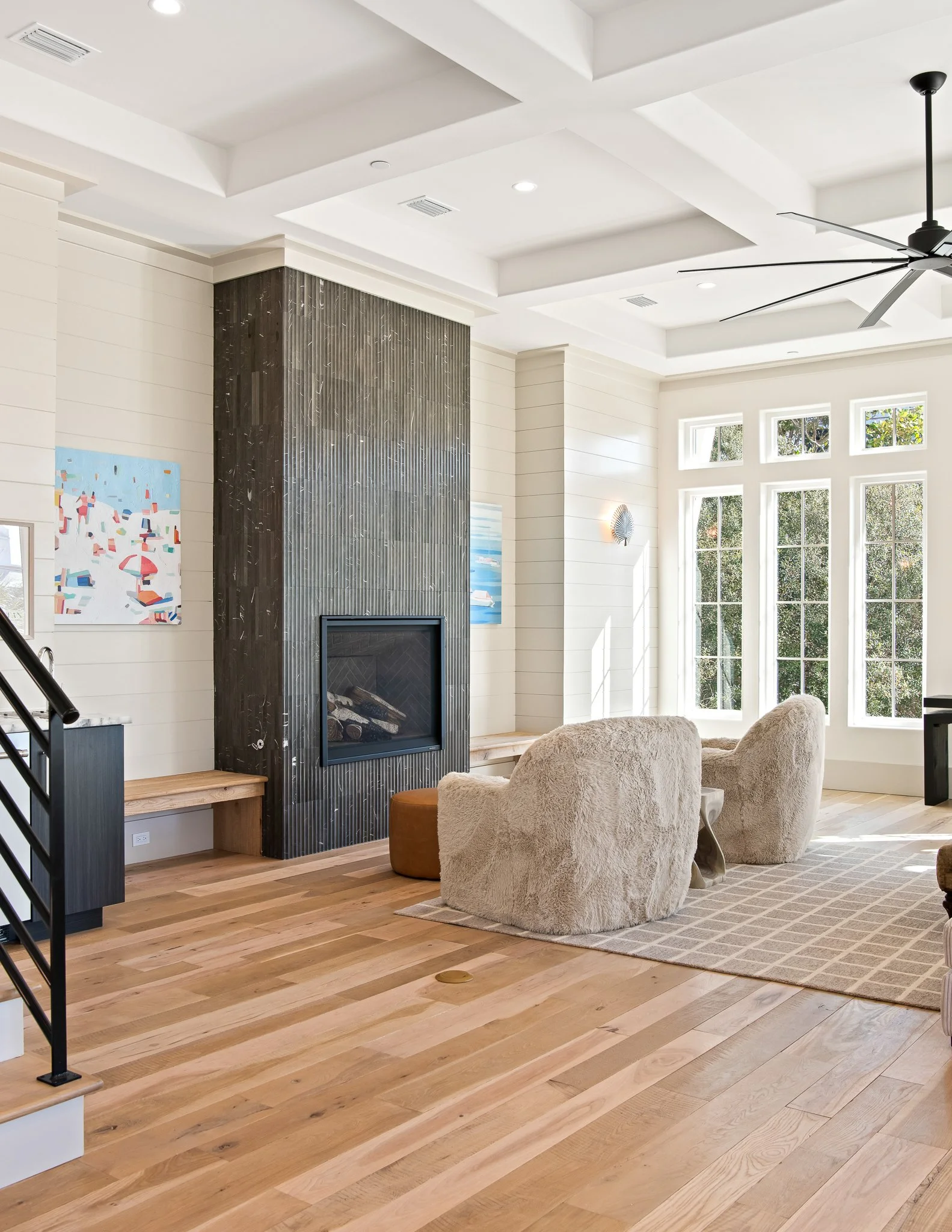
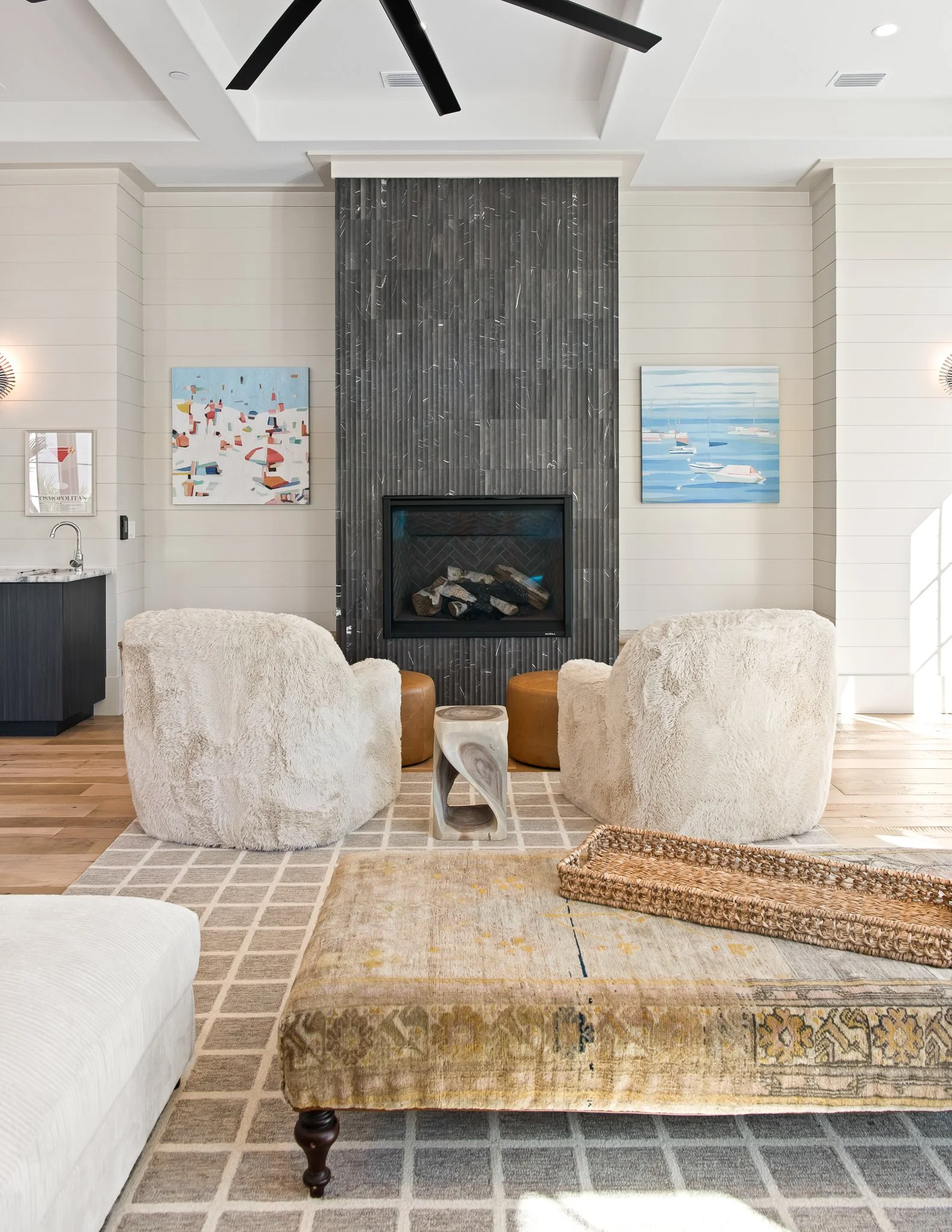
Custom homes should reflect the homeowner’s taste, but extremely specialized design choices can limit resale appeal.
Design elements that generally perform well include:
neutral color palettes
flexible room layouts
classic cabinetry styles
high-quality but timeless finishes
Balancing personalization with broader appeal helps ensure the home remains attractive to future buyers.
Final Thoughts
Designing a custom home in WaterSound Camp Creek allows homeowners to create a space that reflects their lifestyle while taking advantage of one of the most desirable communities along 30A.
By prioritizing timeless architecture, thoughtful layouts, durable materials, and strong indoor–outdoor living connections, homeowners can build residences that not only serve them well but also retain strong resale value in the future.
To learn more about building in the community—including timelines, HOA guidelines, and lot considerations—visit our complete WaterSound Camp Creek builder guide.
If you're considering building a custom home in Watersound Camp Creek, Minchew | Design + Build has deep experience along the 30A corridor and a specific understanding of what it takes to build well in this community.