How Long Does It Take to Build a Custom Home in Watersound Origins?
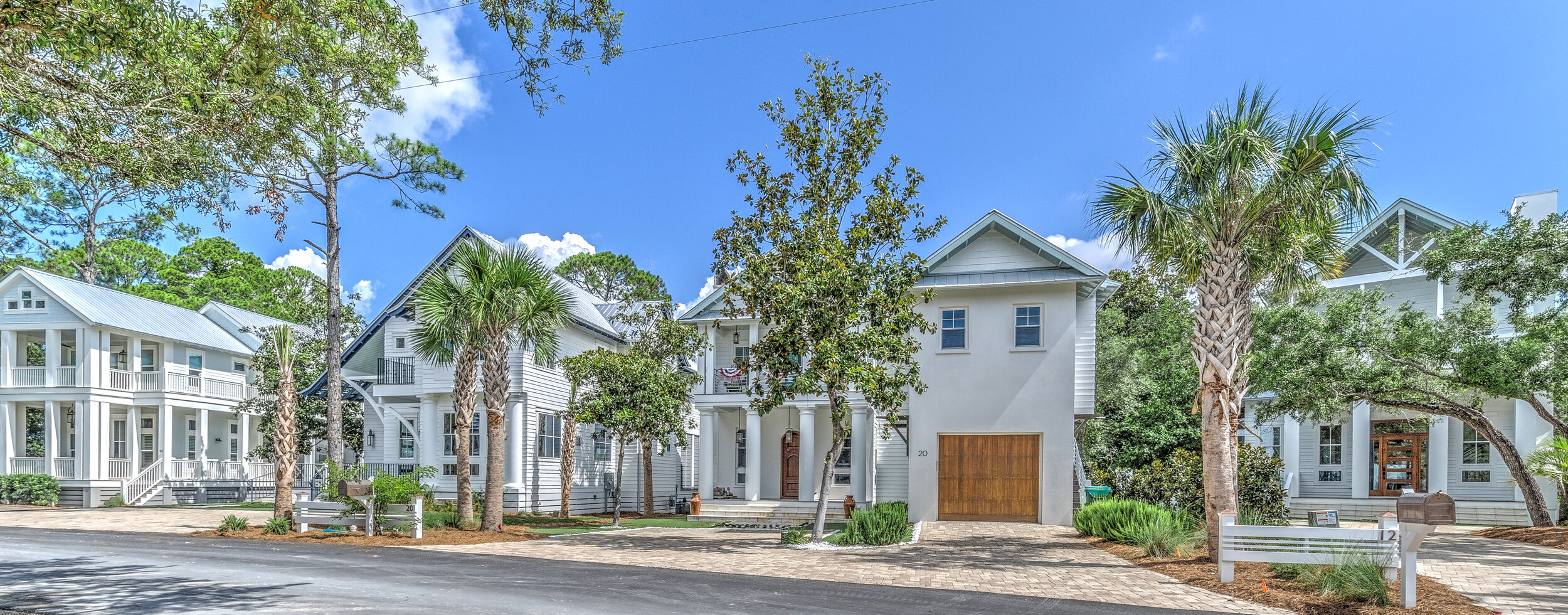
It's one of the first questions every custom home buyer asks — and one of the least honestly answered in the industry. The truth is that building a custom home in Watersound Origins takes longer than most buyers expect when they start the process. Understanding why, and planning accordingly, is one of the most valuable things you can do before breaking ground.
This guide walks through each phase of the build process, what drives the timeline in each stage, and what buyers can do to avoid the delays that most commonly extend projects beyond original projections.
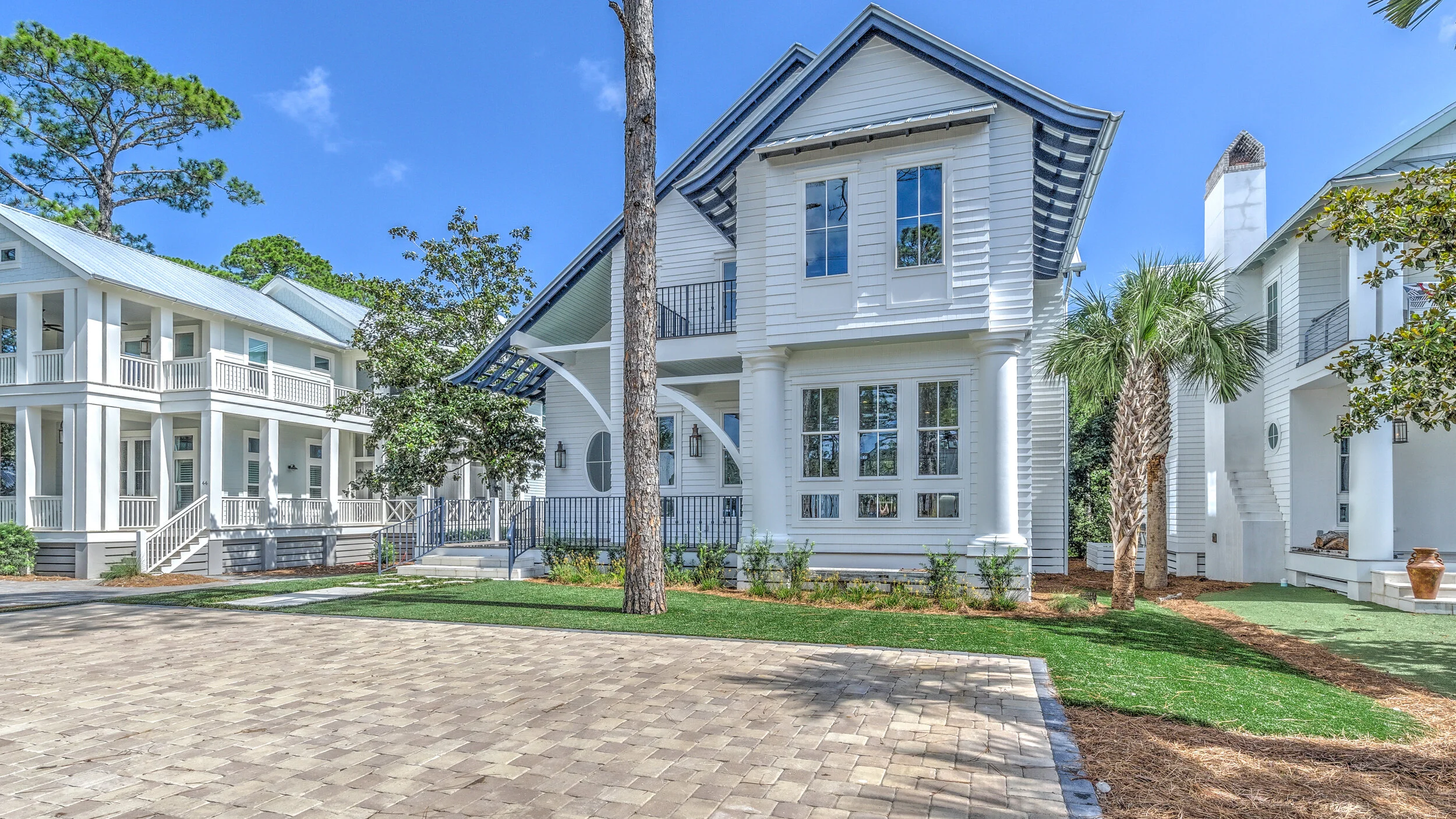
The Full Timeline: What to Expect
Building a custom home in Watersound Origins involves four distinct phases: design, ARB review and approval, permitting, and construction. Each phase has its own timeline, its own variables, and its own opportunities for delay if not managed carefully.
For most custom home projects in Origins, buyers should plan for a total timeline of 18 to 28 months from the start of design to move-in. Some well-managed projects with straightforward programs come in at the lower end. Larger, more complex homes — or projects that encounter ARB revision requests or permitting delays — can extend beyond that range.
Phase 1: Design (3–6 Months)
The design phase begins with site analysis and programming — understanding what the lot allows, what the homeowner wants, and how to reconcile those two things into a workable architectural concept.
From there, the architect develops schematic designs, refines them based on owner feedback, and progresses through design development into construction documents. For a custom home, this is not a fast process. It shouldn't be. The decisions made during design affect everything that comes after — from the ARB submission to the construction budget to the livability of the finished home.
What extends the design timeline:
Scope changes mid-process are the most common cause of design delays. When owners add meaningful program elements — a carriage house, a larger pool area, a finished third floor — after design development has begun, the architectural work often has to be substantially revised. Entering the process with a clear and complete program, even if some details evolve, reduces this risk significantly.
Selecting an architect who is not familiar with the Origins ARB requirements can also extend this phase. Plans that don't account for community guidelines will require revisions before submission, which adds time before the review process even begins.
See our full WaterSound Origins builder guide.
Phase 2: ARB Review and Approval (1–3 Months)
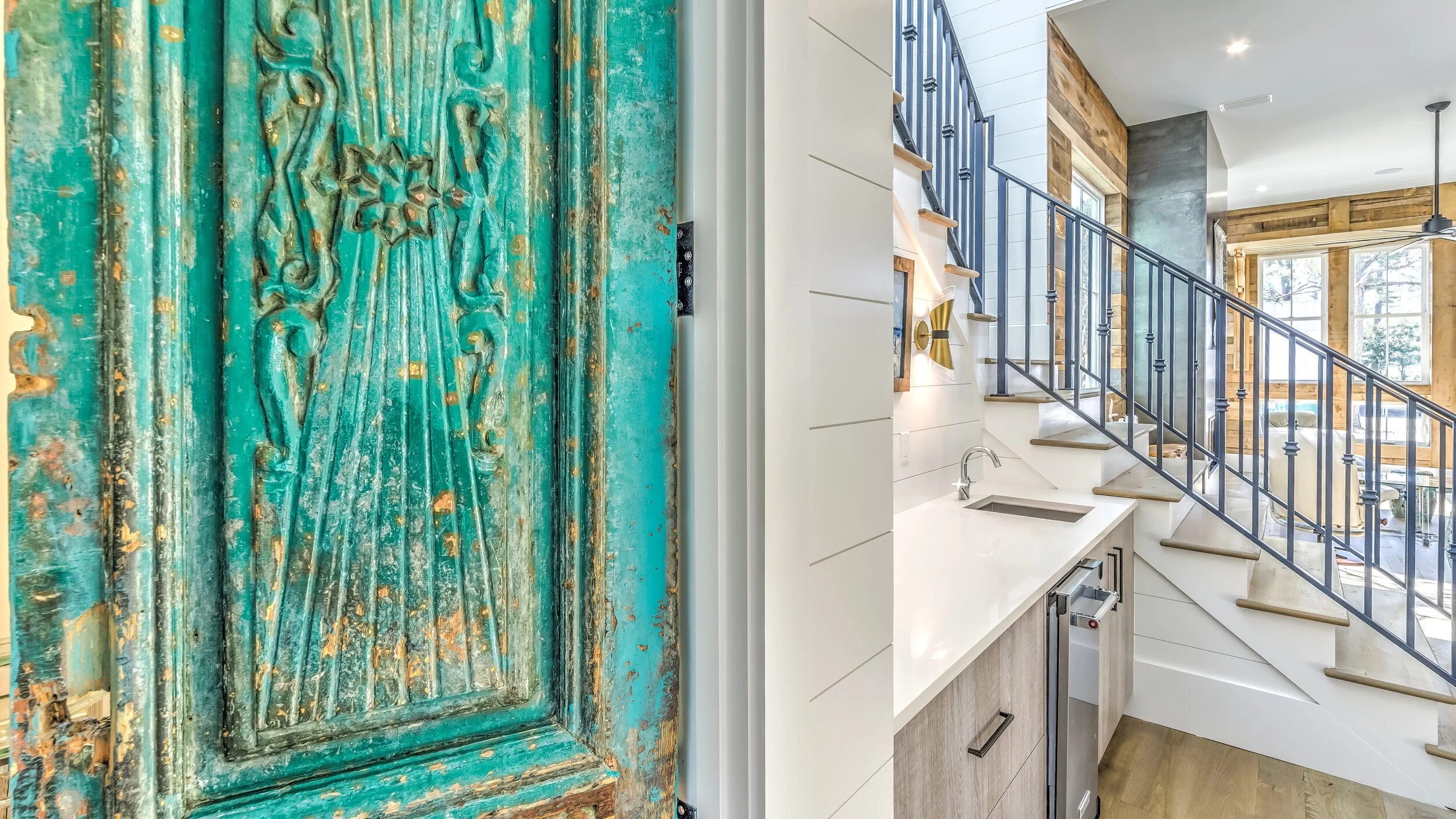
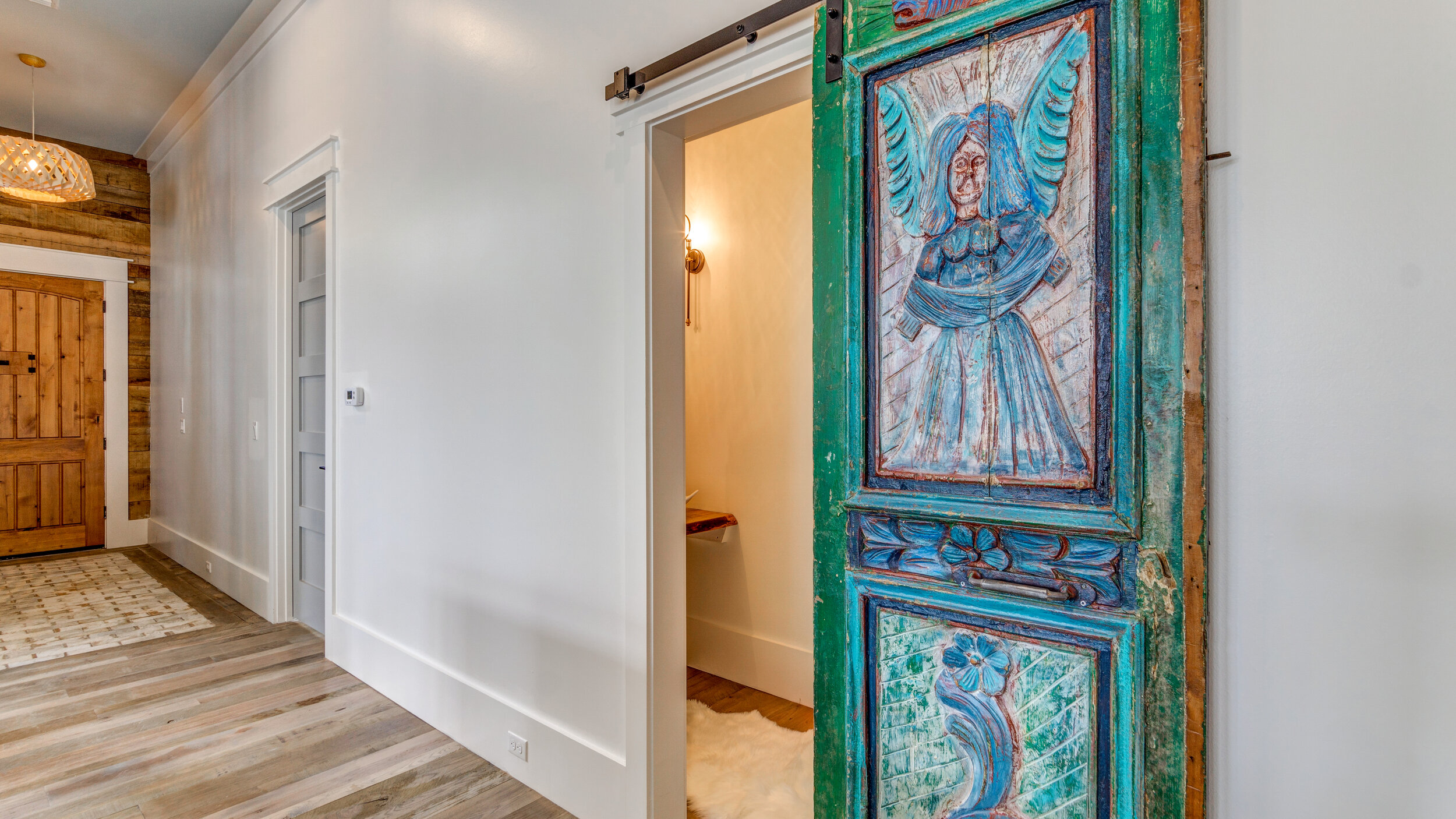
Once construction documents are sufficiently developed, they must be submitted to the Watersound Origins Architectural Review Board for approval before permitting can begin. This review process evaluates the home against the community's design guidelines — looking at massing, materials, roofline, site placement, and compatibility with the surrounding neighborhood.
The ARB meets on a defined schedule, and submissions must meet a deadline to be considered at a given meeting. Missing a submission window means waiting for the next cycle, which can add weeks to the process.
What extends the ARB timeline:
The most common cause of ARB delays is a submission that requires revisions. If the board identifies elements of the design that don't comply with community guidelines — materials that aren't approved, a roofline that exceeds height limits, a site plan that doesn't meet setback requirements — the plans must be revised and resubmitted. Depending on the scope of the required changes, this can add one to three months to the process.
Working with a design and build team that has navigated the Origins ARB process before significantly reduces the risk of revision requests. Familiarity with what the board is looking for — and how to frame a submission — is not a minor advantage. It directly affects the timeline.
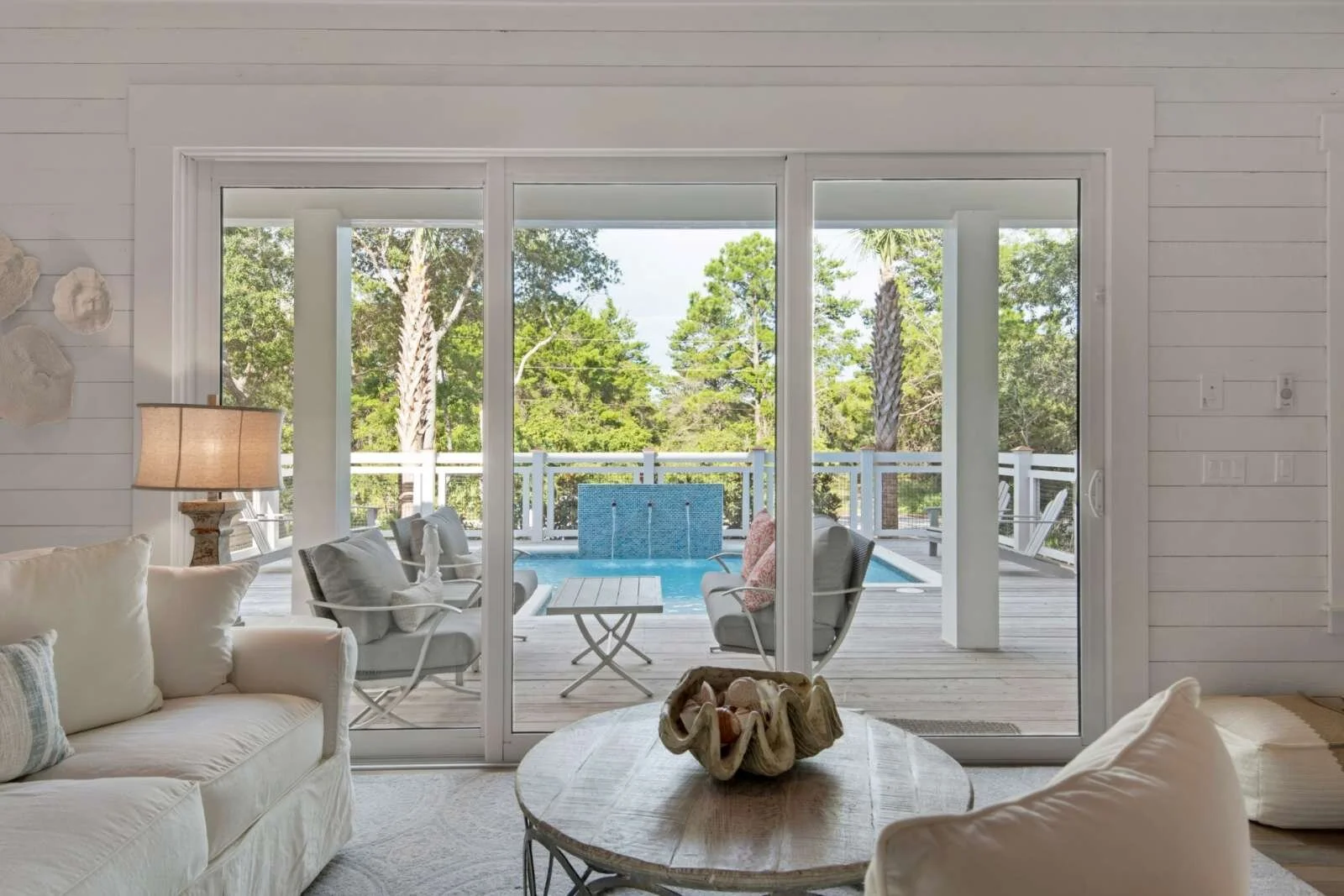
Phase 3: Permitting (1–3 Months)
Once ARB approval is obtained, the plans are submitted to Walton County for building permits. The permitting timeline varies based on county workload, the complexity of the plans, and whether any additional reviews — structural, mechanical, civil — are required.
For custom homes with complex structural systems, engineered foundations, or unusual site conditions, plan review can take longer than for simpler projects. Ensuring that the construction documents are complete, coordinated, and compliant with current code before submission reduces the risk of plan check comments that require revisions and resubmission.
What extends the permitting timeline:
Incomplete or uncoordinated construction documents are the most common cause of permitting delays. When structural drawings don't match architectural drawings, or when mechanical and electrical systems aren't fully coordinated in the documents, the county's plan reviewers will issue comments that require a response before the permit can be issued. Each round of comments and responses adds time.
Phase 4: Construction (12–18 Months)
Once permits are issued, construction can begin. For a custom home in Watersound Origins, the construction phase typically runs between 12 and 18 months, depending on the size and complexity of the home.
Smaller, more straightforward custom homes may come in at or below the lower end of that range. Larger homes — those over 4,000 square feet, homes with complex structural systems, or projects with extensive custom millwork and finish packages — will more reliably land in the 16–20 month range.
What affects the construction timeline:
Scope and complexity. Larger, more detailed homes simply take longer to build. A home with a carriage house, a full outdoor kitchen, a custom pool, and an extensive landscape package involves more subcontractors, more coordination, and more lead time for materials than a simpler program.
Material lead times. Custom windows, doors, cabinetry, and specialty finishes often have lead times of 12–20 weeks or more. If these items aren't ordered early in the construction process — or before construction begins — they can create delays mid-project when the schedule stalls waiting on materials.
Subcontractor scheduling. The 30A corridor is an active construction market. High-quality subcontractors — mechanical, electrical, plumbing, tile, millwork — are in demand, and their schedules fill up. Builders with established subcontractor relationships and a consistent pipeline of work have a meaningful advantage in securing reliable scheduling commitments.
Weather. Coastal Florida construction is subject to weather delays, particularly during hurricane season. Experienced builders account for this in their schedules rather than treating it as an unforeseeable event.
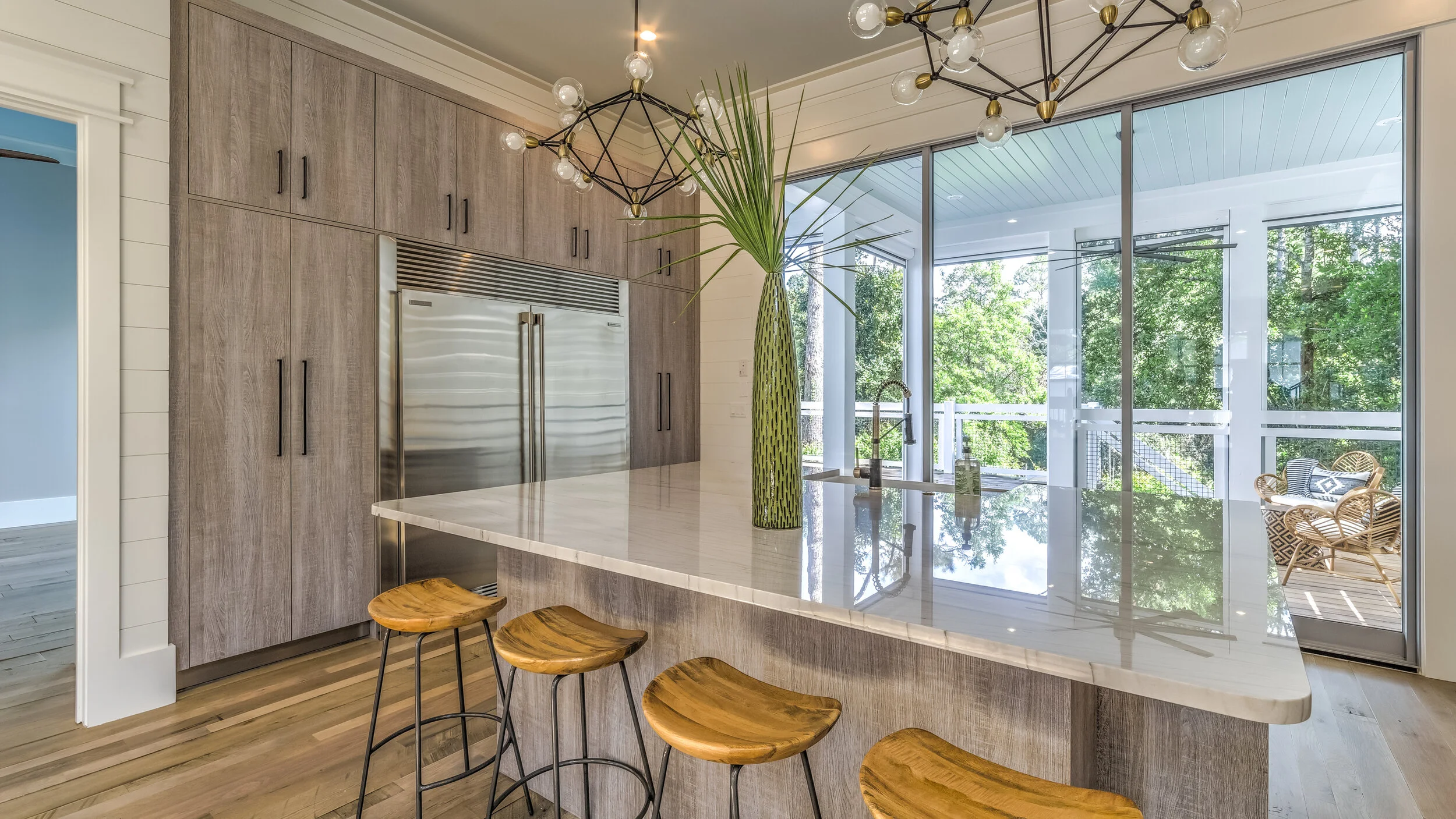
The Most Common Mistake: Starting Too Late
The single most consistent cause of extended timelines in custom home builds is starting the design process later than the target move-in date requires.
If you want to be in your home by a specific date — a school year, a family milestone, a personal deadline — work backward from that date using the full timeline outlined above. Add contingency. Then start the design process at least six months earlier than you think you need to.
Buyers who start early have options. Buyers who start late are constantly making decisions under pressure — which leads to compromises in design, budget overruns, and the kind of rushed construction that shows up in the finished product.
Planning the Timeline Well Is Part of the Builder's Job
A good custom home builder in Watersound Origins doesn't just manage construction. They help owners understand the full arc of the process from the first conversation — setting realistic expectations, identifying the decisions that drive the schedule, and building a plan that accounts for the real variables rather than the optimistic ones.
That kind of process management is what separates a smooth custom home build from a frustrating one. In a community like Origins, where the ARB process and coastal construction conditions add layers of complexity that don't exist everywhere, it matters even more.
To learn more about building in the community, visit our full guide here.
Minchew | Design + Build guides clients through every phase of the custom home process in Watersound Origins — from initial site analysis through move-in. If you're beginning to think about a build, reach out to start the conversation.